
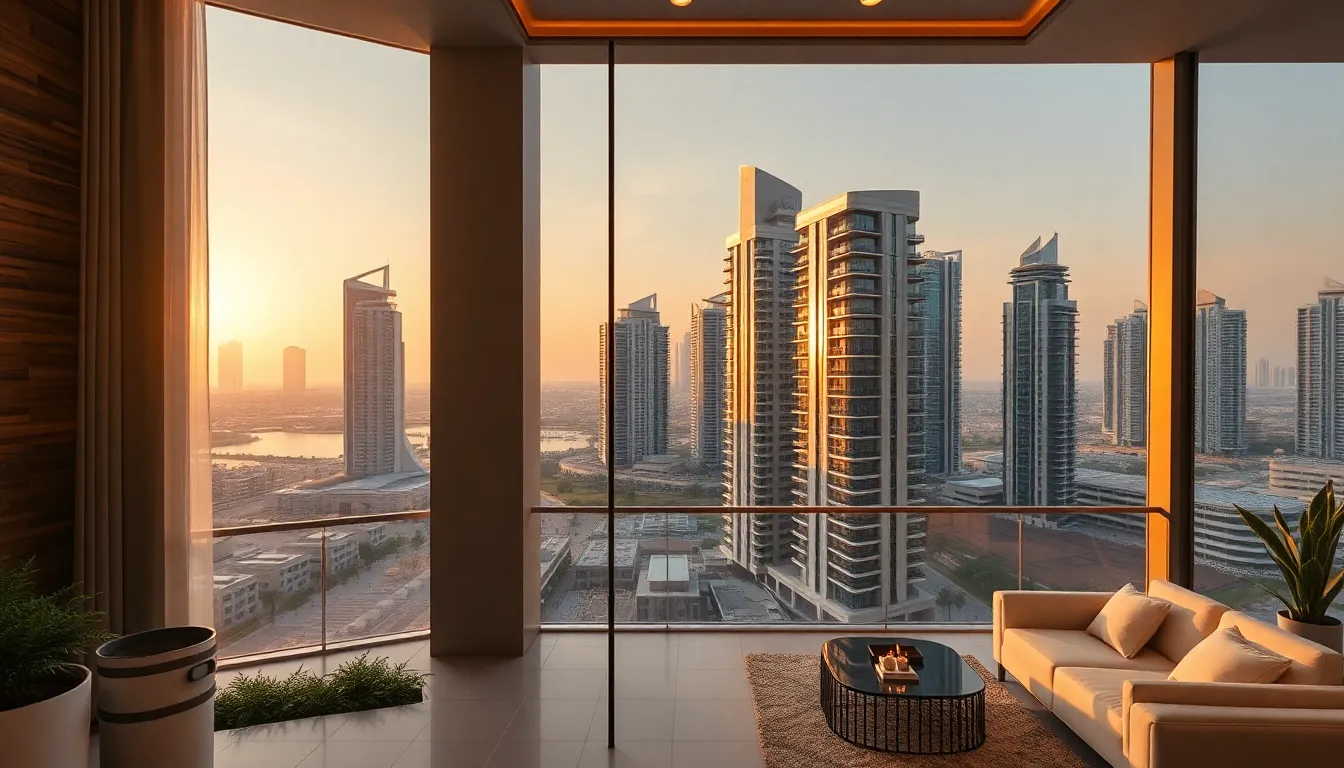
Invest in Dubai Real Estate 2026: Expat Lifestyle & Rental Income Guide
Investing in Dubai real estate in 2026 offers expatriates a unique opportunity to generate substantial rental income while enjoying a tax-free lifestyle in one of the world's most dynamic cities. This comprehensive guide explores how strategic property purchases can fund your Dubai experience through consistent cash flow.
Why Should Expats Invest in Dubai Real Estate in 2026?
Dubai's property market continues to evolve with unprecedented stability in 2026. The city's strategic vision has created an environment where foreign investors can own freehold properties in designated zones. This accessibility makes Dubai real estate particularly attractive for expats seeking both financial returns and lifestyle benefits.
Rental yields in 2026 remain competitive globally, with average gross returns between 5-8% across different property types. The Dubai Land Department's transparent regulations provide security for investors, while the absence of property taxes enhances net returns. These factors combine to create an ideal environment for expats to invest in Dubai real estate.
How Does Rental Income Support Expat Lifestyle in Dubai?
A well-chosen property investment can completely fund an expat's living expenses in Dubai. Consider a 2-bedroom apartment in Dubai Marina purchased for AED 2.1 million in 2026. With monthly rents averaging AED 120,000 annually, this property generates enough income to cover typical expat housing, schooling, and leisure costs.
The beauty of this approach lies in sustainability. While you enjoy Dubai's beaches, restaurants, and cultural attractions, your property works for you. Many expats successfully use rental income from one property to offset their own accommodation expenses, creating a self-funding lifestyle.
What Are the 2026 Market Conditions for Investors?
Market analysis for 2026 shows balanced supply and demand dynamics. New developments in areas like Dubai Creek Harbour and Mohammed Bin Rashid City are meeting growing demand from both residents and tourists. Price appreciation has stabilized at 3-5% annually, creating predictable growth for long-term investors.
Transaction volumes remain healthy, with particular strength in the AED 1.5-3 million price bracket favored by expat investors. Off-plan properties continue to offer attractive payment plans, though completed properties provide immediate rental income. Both approaches represent valid strategies to invest in Dubai real estate.
Which Dubai Areas Offer the Best Rental Returns in 2026?
Location selection dramatically impacts both rental income and lifestyle quality. Different neighborhoods cater to various expat preferences, from beachfront living to urban convenience. Your choice should balance financial returns with personal lifestyle goals when you invest in Dubai real estate.
Where Do Beach-Loving Expats Find the Best Investments?
Palm Jumeirah and Jumeirah Beach Residence (JBR) continue to command premium rents in 2026. A 3-bedroom villa on the Palm rents for AED 350,000-450,000 annually, yielding approximately 5.5% gross returns. These areas attract high-income expats and short-term vacation renters, providing multiple income streams.
For expats who prioritize beach access, these communities offer more than financial returns. The lifestyle benefits include private beaches, waterfront dining, and premium amenities. When you invest in Dubai real estate in these locations, you're buying into a complete lifestyle package.
Which Urban Areas Provide Consistent Rental Demand?
Downtown Dubai and Business Bay remain rental powerhouses in 2026. Studio apartments in these areas generate AED 65,000-85,000 annually with occupancy rates exceeding 90%. The consistent demand from corporate professionals ensures stable income for investors.
These central locations offer expats unparalleled convenience. Walking distance to offices, Dubai Mall, and cultural attractions makes properties here particularly attractive to working professionals. The rental income from such investments often exceeds mortgage payments, creating positive cash flow.
| Area | Property Type | 2026 Avg. Price (AED) | Annual Rent (AED) | Gross Yield | Expat Lifestyle Fit |
|---|---|---|---|---|---|
| Dubai Marina | 2-Bed Apartment | 2,100,000 | 120,000 | 5.7% | Young professionals, waterfront living |
| Palm Jumeirah | 3-Bed Villa | 7,500,000 | 400,000 | 5.3% | Families, luxury beach lifestyle |
| Downtown Dubai | Studio | 850,000 | 75,000 | 8.8% | Singles/couples, urban convenience |
| Jumeirah Village Circle | 3-Bed Townhouse | 1,800,000 | 110,000 | 6.1% | Families, community living |
| Business Bay | 1-Bed Apartment | 1,200,000 | 85,000 | 7.1% | Professionals, central location |
How Can Expats Maximize Rental Income in 2026?
Strategic property management separates successful investors from average ones. In Dubai's 2026 market, several approaches can optimize your rental returns. These strategies help expats generate sufficient income to support their Dubai lifestyle through property investments.
What Property Management Strategies Work Best?
Professional property management services typically charge 5% of annual rent but can increase net returns through optimized pricing and reduced vacancy. In 2026, smart technology integration allows remote management for expats who travel frequently. Regular maintenance preserves property value while justifying premium rents.
Furnished properties command 15-25% higher rents in Dubai's expat-heavy market. Quality furnishings tailored to corporate or family tenants can significantly boost income. Many investors recoup furnishing costs within 18-24 months through increased rental rates.
How Does Short-Term vs Long-Term Rental Compare?
Short-term vacation rentals in approved areas generate 20-40% higher annual income but require more active management. Dubai's 2026 regulations permit short-term rentals in designated zones with proper licensing. This approach suits expats who can handle higher management intensity for greater returns.
Long-term leases provide stability with typically lower yields but minimal vacancy risk. Many expat investors balance both approaches, using long-term leases for primary investments while experimenting with short-term rentals on secondary properties. Both methods represent valid ways to invest in Dubai real estate for income generation.
What Legal Considerations Affect Expat Investors in 2026?
Understanding Dubai's regulatory framework protects your investment and maximizes returns. The Real Estate Regulatory Agency (RERA) governs all property transactions with clear guidelines for investors. Proper documentation ensures smooth ownership and rental operations.
How Do Freehold Zones Work for Foreign Investors?
Designated freehold zones allow 100% foreign ownership without local sponsorship. These areas include most popular expat communities like Dubai Marina, Downtown, and Palm Jumeirah. The Dubai Land Department (DLD) registration process is streamlined for international buyers.
Ownership in freehold zones includes full title deeds registered with DLD. This provides legal security comparable to property ownership in Western countries. The transparent system makes it straightforward for expats to invest in Dubai real estate with confidence.
What Are the Tax Implications for Rental Income?
Dubai maintains its zero-income-tax policy in 2026, making rental income completely tax-free at the emirate level. However, investors should consider potential tax obligations in their home countries. Many nations have tax treaties with the UAE that prevent double taxation.
Property-related fees include 4% DLD transfer fee, 0.25% mortgage registration fee if applicable, and annual municipality fees of 5% of annual rent value. These costs are predictable and factored into ROI calculations. The absence of property taxes significantly enhances net returns when you invest in Dubai real estate.
How Does Property Investment Support UAE Residency?
Property ownership can facilitate long-term residency in Dubai, enhancing both lifestyle and investment potential. The property visa program offers renewable residency permits for qualified investors. This creates a virtuous cycle where your investment supports your right to remain in Dubai.
What Are the Property Visa Requirements in 2026?
The UAE property visa requires a minimum investment of AED 750,000 in freehold property. In 2026, this threshold remains unchanged, though some developers offer bundled packages that include visa processing. The visa is typically issued for 2-3 years and renewable as long as ownership continues.
This residency permit allows expats to live, work, and study in Dubai without employer sponsorship. For many investors, this represents a primary motivation to invest in Dubai real estate. The visa provides stability that enhances both lifestyle enjoyment and investment management capability.
How Can Family Members Benefit from Property Investment?
Property investors can sponsor residence visas for spouses, children, and domestic helpers. This family sponsorship capability transforms a financial investment into a lifestyle foundation. Many expat families use property investment as their pathway to establishing multi-year Dubai residency.
The ability to enroll children in Dubai schools and access healthcare services creates a complete expat experience. When rental income covers living expenses and property values appreciate, the investment becomes self-sustaining. This holistic approach makes Dubai real estate uniquely attractive for expat families.
What Financial Planning Is Needed for 2026 Investments?
Successful property investment requires careful financial planning, especially for expats managing cross-border finances. Mortgage availability, currency considerations, and exit strategies all influence investment decisions. Proper planning ensures your Dubai property enhances rather than complicates your financial situation.
How Do Mortgage Options Work for Expats?
Expatriates can typically finance 50-75% of property value through UAE banks in 2026. Interest rates range from 4.5-6.5% depending on loan-to-value ratio and borrower profile. Many banks offer pre-approval before property selection, streamlining the purchase process.
Mortgage payments often align with rental income, creating neutral or positive cash flow. For a AED 2 million property with 60% financing at 5.5% interest, monthly payments approximate AED 7,500. Comparable properties rent for AED 10,000 monthly, generating positive cash flow of AED 2,500. This financial structure makes it practical to invest in Dubai real estate without significant capital outlay.
What ROI Calculations Should Expats Consider?
Comprehensive ROI analysis includes capital appreciation, rental yield, and currency factors. In 2026, conservative projections suggest 4-6% annual appreciation plus 5-8% rental yields. The AED's stability against major currencies protects international investors from exchange rate volatility.
Net ROI calculations must account for service charges (typically AED 15-35 per square foot annually), maintenance costs, and potential vacancy periods. A well-located property in 2026 should generate 7-10% total annual return including appreciation. These figures make Dubai competitive with global property markets while offering superior lifestyle benefits.
Frequently Asked Questions
What is the minimum investment to get a property visa in Dubai in 2026?
The minimum remains AED 750,000 for a freehold property in designated areas. This investment qualifies investors for renewable residency visas, typically valid for 2-3 years. The property must be completed and registered with the Dubai Land Department.
How much rental income can I expect from a 2-bedroom apartment in Dubai Marina?
In 2026, a quality 2-bedroom apartment in Dubai Marina generates AED 100,000-140,000 annually, depending on furnishings, view, and building amenities. Gross yields typically range 5-7%, with higher returns for well-managed properties in premium buildings.
Are there any hidden costs when buying property in Dubai as an expat?
Major costs include 4% DLD transfer fee, 0.25% mortgage registration (if applicable), agent commission (2%), and annual service charges. There are no property taxes, but municipality fees equal 5% of annual rent value. All costs are transparent and regulated by RERA.
Can I use rental income to qualify for a mortgage in Dubai?
Yes, projected rental income can be considered for mortgage qualification in 2026. Most banks allow 50-75% of expected rent to count toward income calculations. This makes it easier for expats to finance properties that will generate their own repayment capacity.
What happens if I want to sell my Dubai property as an expat?
The selling process is straightforward through registered brokers. Capital gains are tax-free in Dubai, though you may have obligations in your home country. The DLD handles all transfers electronically, typically completing within 30 days. You can contact our team for personalized exit strategy planning.
Conclusion: Building Your Dubai Life Through Property Investment
Dubai's 2026 property market presents a rare convergence of financial opportunity and lifestyle enhancement for expatriates. Strategic investments in well-located properties can generate sufficient rental income to fund comfortable Dubai living while building long-term wealth. The combination of tax-free returns, residency options, and transparent regulations creates an investor-friendly environment unmatched in most global cities.
The key to success lies in selecting properties that align with both market demand and personal lifestyle preferences. Whether you prioritize beach access, urban convenience, or family-friendly communities, Dubai offers options that deliver both rental income and quality of life. Regular market monitoring ensures your investment remains optimized as conditions evolve.
For expats considering this path, professional guidance proves invaluable. Siddhi Enterprises (Real Estate) specializes in helping international investors navigate Dubai's property landscape. Our team provides comprehensive support from initial research through property management, ensuring your investment delivers both financial returns and lifestyle benefits.
Ready to transform your Dubai experience through property investment? browse our properties or speak with our investment specialists about creating a personalized strategy. Let us help you build a Dubai life funded by smart real estate decisions.
By the Siddhi Enterprises (Real Estate) Research Team | 2026
Siddhi Team
Dubai Real Estate Experts helping Indian investors find their perfect property in UAE.